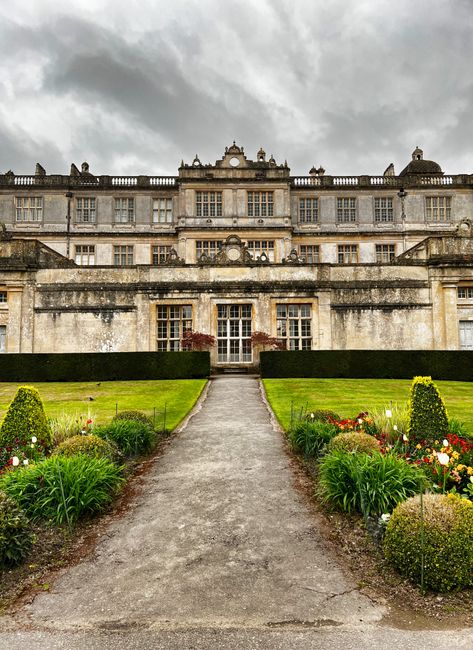
Charlton House Garden Maintenance Tips for Period Homes
Period gardens are a bit like the houses they sit beside: full of character, a little demanding, and absolutely worth the effort. If you are looking for Charlton House garden maintenance tips for period homes, the real goal is not just to keep things tidy. It is to protect the look, balance, and feel of a mature garden while making sure the space still works for everyday life. That means choosing the right pruning style, avoiding heavy-handed changes, and caring for plants, paths, lawns, hedges, and old features in a way that respects the property. Done well, the garden feels settled rather than overworked. And honestly, that's the sweet spot.
This guide walks through the practical side of maintaining a period garden: what matters, how to approach it, where mistakes usually happen, and when professional help makes sense. If you want a garden that looks considered instead of contrived, you are in the right place.
Why Charlton House garden maintenance tips for period homes Matters
Period homes usually come with gardens that have layers of history. You might have mature shrubs, old stone edging, established trees, clipped hedges, a long lawn, or a layout that has gently evolved over decades. That is part of the charm. It is also why regular maintenance needs a bit more judgement than a standard tidy-up.
A modern garden can often handle a more uniform approach. A period garden usually cannot. Cut too hard, and you lose structure. Ignore it for too long, and the garden starts to overpower the house instead of framing it. You want the planting to support the architecture, not shout over it. The whole place should feel like it belongs together.
There is also a practical side. Older gardens may have awkward access, tired materials, uneven levels, or plant choices that no longer suit the light and soil. In many London gardens, including those around Charlton, space is precious and every square metre has to earn its keep. Careful maintenance helps you keep the character without letting the garden become a maintenance burden.
Key takeaway: for period homes, maintenance is as much about restraint as it is about tidiness. The best result usually looks effortless. It rarely is.
How Charlton House garden maintenance tips for period homes Works
The best way to manage a period garden is to think in layers. First, you protect the bones of the garden: hedges, lawns, trees, paths, borders, and any original features. Then you manage plant growth so nothing gets out of scale. Finally, you keep the whole thing consistent through the seasons.
In practice, that means working with the garden's existing rhythm. A spring tidy is not the same as an autumn reset. A clipped box hedge, for example, needs light and regular shaping rather than dramatic cuts. An old lawn may need scarifying, feeding, and careful mowing heights rather than endless patching after the fact. And if you have mature trees, the approach needs to be even more measured. No drama. Just steady, informed care.
If you are comparing upkeep options, it can help to look at a broader services overview and decide which tasks are genuinely routine and which need specialist handling. A period garden often benefits from a mix of regular visits and occasional restoration work.
There is no one-size-fits-all schedule, which is fair enough. Gardens are living things, and older ones can be a bit particular. One Charlton terrace may need weekly attention in summer; another may only need fortnightly work because the planting is slower-growing and more formal. The point is to match the routine to the garden, not the other way round.
Key Benefits and Practical Advantages
Good maintenance does more than make the garden look neat on a Saturday afternoon. For period homes, it brings several long-term benefits that are easy to miss until they are gone.
- It protects the character of the property. Well-kept planting and proportionate hedges help the home's architecture stand out.
- It reduces costly catch-up work. A little regular care is usually easier than major clearance later.
- It keeps mature planting healthier. Light pruning, deadheading, and sensible mowing help plants recover and thrive.
- It improves usability. Paths stay clear, borders stay manageable, and the garden is more pleasant to spend time in.
- It supports kerb appeal. Especially in older streets, a balanced front garden can make the whole property feel cared for.
- It helps preserve original features. Old brickwork, edging, and timber details last longer when they are not buried under overgrowth or constant damp.
There is also a subtle benefit: a well-maintained period garden usually feels calmer. You notice it when you step outside. The view settles your eye. The house looks anchored, not cluttered. That sounds small, but it matters.
If you want routine support rather than sporadic rescue work, a professional garden maintenance service can keep the schedule realistic. It is often easier on both the garden and the owner.
Who This Is For and When It Makes Sense
This approach is ideal for homeowners, landlords, and property managers responsible for period houses, terraced homes, converted buildings, or older properties with established gardens. It is particularly useful if the garden has mature planting, historic layout features, or a more formal look that needs careful handling.
It also makes sense if you have inherited an older garden that feels a bit overwhelmed. That happens a lot. One day it looks romantic; the next, you realise the wisteria is trying to claim the roof and the lawn has gone patchy under a decade of neglect. Truth be told, it happens to the best of us.
You may also need a more tailored approach if:
- the garden contains mature hedges or specimen trees
- you want to preserve a traditional look rather than redesign everything
- the plot has awkward access or narrow side passages
- you are restoring a property for sale or rent
- you need help balancing presentable upkeep with heritage sensitivity
In these cases, a professional visit is less about "doing more" and more about doing the right things in the right order. If trees are blocking light or growing too close to structures, for instance, tree lopping and removal may need to be considered carefully rather than guessed at from the ground with a cup of tea and optimism.
Step-by-Step Guidance
Here is a practical way to approach period garden maintenance without stripping out its charm.
1. Start with a slow walk-through
Before cutting anything, look at the garden as a whole. Where does the eye go first? Which plants are dominating? Are paths safe and visible? Are borders balanced or crowded? This first pass tells you more than rushing in with shears ever will.
2. Protect the structural elements
Hedges, topiary, walls, edging, and mature trees create the framework. These should be maintained first because they shape the rest of the space. If the structure is off, the garden feels untidy even when the beds are full of flowers.
3. Cut lightly and consistently
Periodic hard pruning can be necessary, but it should not be the default. In formal or traditional gardens, a little and often usually works best. It keeps shape without leaving obvious scars or awkward gaps.
4. Keep the lawn simple and disciplined
A neat lawn is often one of the strongest visual features in a period garden. Regular mowing, seasonal feeding, and clearing debris will make a bigger difference than complicated treatments. If the lawn is large or part of the garden's formal look, a routine lawn mowing schedule helps preserve that crisp feel.
5. Re-set the borders, don't flatten them
Border plants in older gardens often need selective deadheading, staking, division, and spacing adjustments. The aim is to keep rhythm and depth, not to make everything the same height. A bit of layering gives the garden its period feel.
6. Clear debris before it causes problems
Fallen leaves, twigs, old mulch, and congested clippings can hold moisture against walls and hard surfaces. In damp weather, that becomes messy quickly. A tidy clearance cycle also makes the garden easier to inspect for pests, rot, or damage. If things have built up, a careful garden clearance can reset the space without wiping out its personality.
7. Finish with a seasonal review
At the end of each visit or main maintenance round, ask one simple question: what needs attention next month? That little habit keeps the garden ahead of problems rather than chasing them. Small thing. Big difference.
Practical summary: a period garden usually rewards light, regular maintenance more than dramatic intervention. Keep the bones visible, the planting balanced, and the surfaces clean. That is most of the battle right there.
Expert Tips for Better Results
Here are the details that tend to separate a decent outcome from a really polished one.
- Prune for form, not just size. If a shrub is getting too big, reduce it in a way that preserves its natural outline.
- Leave breathing space around masonry. Plants pressed against old walls can trap moisture and hide deterioration.
- Watch the seasonal balance. A garden can look lush in June and tired by September if the planting mix is too one-note.
- Use edging to define the garden. Clean boundaries make even simple planting look intentional.
- Keep one eye on access. Side return paths, gates, and steps need to stay usable. Lovely garden, yes, but you still need to get the wheelbarrow through.
- Respect old trees and mature shrubs. They may be anchors of the garden, not obstacles. Treat them accordingly.
A small but useful habit: stand at the back door or drawing room window and look out before and after a maintenance session. If the view feels calmer and the house looks better framed, you are heading in the right direction. That view test is surprisingly reliable.
If you are after a more considered redesign or want to improve the layout without losing the period feel, landscape gardening can help with subtle changes that suit older homes rather than fighting against them.
Common Mistakes to Avoid
Most problems in period gardens come from doing too much, too fast. A few common mistakes show up again and again.
- Hard-pruning everything at once. This can leave the garden looking bare and slightly shocked for months.
- Ignoring mature hedges until they become walls. Then the trim is more stressful and the shape is harder to recover.
- Overcomplicating the planting. Too many contrasting styles can make a period garden feel cluttered rather than elegant.
- Letting the lawn become a patchwork. Uneven mowing or delayed care shows quickly.
- Forgetting the hard surfaces. Gravel, paving, steps, and old paths need care too, or the whole space feels tired.
- Using aggressive equipment near old features. This can chip brick, scar timber, or disturb established roots.
One mistake people make with older gardens is assuming "wild" means low-maintenance. Usually it does not. It just means the maintenance is less obvious until it suddenly isn't. A rose that hasn't been managed for two seasons will remind you, loudly, with thorns and attitude.
Another one: skipping safety checks around trees and tall hedges. If there are signs of instability, dead branches, or overextended growth, bring in the right help rather than guessing. That is exactly when a service such as hedge trimming or specialist tree work becomes more than just cosmetic.
Tools, Resources and Recommendations
You do not need a shed full of clever gadgets to look after a period garden well. In fact, the simpler your toolkit, the easier it is to stay consistent.
- Bypass secateurs for cleaner pruning on living stems
- Long-handled loppers for thicker growth you do not want to wrestle with
- Good hedge shears for shaping and finishing
- A reliable mower with height adjustment for seasonal changes
- Leaf rake and spring-tined rake for clearing without shredding beds
- Gloves and sturdy footwear because old gardens love hidden surprises
- Wheelbarrow or garden trug for moving debris without repeated trips
For bigger jobs, especially where there is a backlog of overgrowth or materials to remove, a structured approach helps. A professional team can combine upkeep with a one-off tidy, and sometimes that is the difference between "manageable" and "finally sorted." If you are weighing regular support against a major reset, the pricing and quotes page is a sensible place to start.
You may also want to think about waste handling and how green material is disposed of. Responsible reuse and recycling matter more than ever, and a provider that takes recycling and sustainability seriously is usually a good sign that the work is being handled with care, not just speed.
Law, Compliance, Standards, or Best Practice
For most homeowners, period garden maintenance is not a heavily regulated activity. Still, there are sensible best practices worth following, especially in London where properties can be close together and access can be tight.
First, work safely around trees, walls, fences, and shared boundaries. If a tree looks unsafe, or if branches are affecting structures or access, use a cautious approach. Mature trees in older gardens often need more judgement than force. Second, be considerate about noise, dust, and debris if you are carrying out work in a densely built area. Third, if contractors are involved, check they are insured and follow sensible working practices. That is basic, but people forget it in the rush to get the garden "done."
It is also sensible to understand the service terms before any work begins. If you are hiring help, have a look at the company's terms and conditions and insurance and safety information. It is not glamorous reading, granted, but it does tell you a lot about how carefully a job is handled.
Where a garden contains older structures, unusual access, or mature planting near boundaries, best practice is usually to avoid rushed decisions. Measure twice, cut once. A bit old-fashioned, but still true.
Options, Methods, or Comparison Table
Different maintenance approaches suit different kinds of period gardens. The table below gives a simple way to compare the most common options.
| Method | Best for | Advantages | Watch-outs |
|---|---|---|---|
| Light routine maintenance | Established period gardens with healthy structure | Keeps character intact, prevents overgrowth, easier to manage | Needs consistency; small issues can build if visits are skipped |
| Seasonal restorative work | Gardens that have become congested or unbalanced | Resets shape, improves access, brings old features back into view | Can feel severe if too much is removed at once |
| Full redesign with heritage sensitivity | Gardens needing layout changes, new planting, or better use of space | Improves function while retaining period character | Needs careful planning so the result does not look modern in the wrong way |
| Specialist tree or hedge work | Large hedges, mature trees, or safety-related issues | Better control, safer handling, cleaner finish | Should be done with proper judgement and minimal unnecessary removal |
If you are not sure which approach fits, think about the age of the planting, how much time you actually have, and whether the garden should be maintained, restored, or quietly improved. That distinction matters more than people think.
Case Study or Real-World Example
Picture a typical Charlton period property with a modest front garden, a long rear lawn, and mature shrubs pressed a little too close to the house. The owners do not want a new design. They want the place to look cared for without losing its old-world feel. Fair enough.
The work starts with clearance of dead material, awkward self-seeded growth, and a few overextended shrubs. The lawn is cut back into shape with a regular mowing pattern, the hedges are tidied, and the borders are opened up just enough to let light in. Nothing theatrical. One small tree that has begun leaning into the border is assessed separately, because it is affecting the balance of the space and the light reaching nearby planting.
By the end, the garden still feels like the same garden. That matters. The structure is clearer, the view from the house is better, and the maintenance going forward is simpler. The owners can keep it that way with regular visits instead of waiting for another overgrown spring. It sounds almost too straightforward, but that is usually the point. Good maintenance should quietly make life easier.
This kind of project often works best when carried out as part of an ongoing garden maintenance plan rather than as a one-off emergency tidy. The result tends to last longer, and the property benefits from continuity.
Practical Checklist
Use this checklist before and after a maintenance visit on a period garden.
- Walk the garden and note what is overgrown, damaged, or blocking views
- Check hedges, shrubs, and trees for shape, health, and safety concerns
- Keep pathways, steps, and entrances clear
- Mow the lawn at an appropriate height for the season
- Edge borders so the layout reads clearly
- Remove dead material, fallen leaves, and broken stems
- Protect walls, railings, and old surfaces from accidental damage
- Prune lightly where possible rather than cutting hard without a reason
- Inspect for drainage issues, damp patches, or compacted soil
- Review what needs attention next month, not just what looks messy today
If the list feels longer than you expected, that is normal. Period gardens reward attention to detail. They are not fragile, exactly, but they do notice when nobody is paying attention.
Get a free quote today and see how much you can save.
Conclusion
Charlton House garden maintenance tips for period homes come down to one simple idea: preserve the character while keeping the garden practical. That means light, regular care; respectful pruning; clear structure; and decisions that suit the age and style of the property. The best period gardens do not look forced. They look settled, elegant, and quietly alive.
If your garden has become too much to manage on your own, start with the essential tasks first, then build a routine that fits the space and the season. A little consistency goes a long way. And when you get it right, the whole home feels better for it - calmer, brighter, more complete. That is a lovely thing to live with.
Frequently Asked Questions
How often should a period garden be maintained?
Most period gardens benefit from regular attention throughout the growing season, with lighter check-ins in quieter months. The exact schedule depends on how formal the planting is, how fast things grow, and whether the garden has mature hedges or large trees.
What makes period garden maintenance different from regular garden care?
The main difference is restraint. A period garden usually needs its structure preserved, not replaced. You are managing balance, proportion, and historic character as much as plant health.
Should mature shrubs be cut back hard?
Only when it is genuinely needed. Many mature shrubs respond better to light, selective pruning. Hard cutting can leave gaps and change the feel of the garden more than you intended.
Is it worth hiring a professional for this kind of garden?
Yes, especially if the garden has old trees, difficult access, heavy overgrowth, or features you want to preserve. A good professional can save time and help avoid damage that is awkward to fix later.
Can a period garden still be low maintenance?
It can be manageable, yes, but truly low maintenance is rare unless the planting has been simplified carefully. The aim is usually reduced effort, not zero effort.
What should I do first if my garden has been neglected?
Start with clearance, safety, and structure. Remove obvious debris, check hedges and trees, and bring back the shape of the garden before worrying about finer details like decorative pruning.
How do I keep a lawn looking right in a period setting?
Keep mowing consistent, avoid scalping the grass, and deal with patchy areas before they spread. A neat lawn often acts like a visual frame for the rest of the garden.
Do old gardens need special care in wet weather?
Yes, because damp conditions can expose drainage problems, encourage rot, and make paths slippery. It is wise to keep surfaces clear and avoid heavy work when the ground is very soft.
What are the biggest mistakes people make with older gardens?
Over-pruning, ignoring hedges until they get unwieldy, and letting the garden drift into a vague mass of growth are the big ones. It is usually easier to keep control than to get it back.
How do I know if a tree or hedge needs specialist attention?
If it is affecting safety, light, access, or the structure of the garden, it is worth getting it assessed properly. Anything that looks unstable or too large for routine trimming should be treated cautiously.
Can maintenance improve the value of a period home?
A well-kept garden can support kerb appeal and make the property feel more cared for overall. It is not just about resale value either; day-to-day enjoyment matters a lot.
What is the best next step if I want help with my garden?
Begin with the jobs that will have the biggest impact, then decide whether you need a one-off tidy, ongoing care, or something more restorative. If you want tailored support, the next sensible move is to explore the service details and ask for a quote.